
Author: Helen Roche
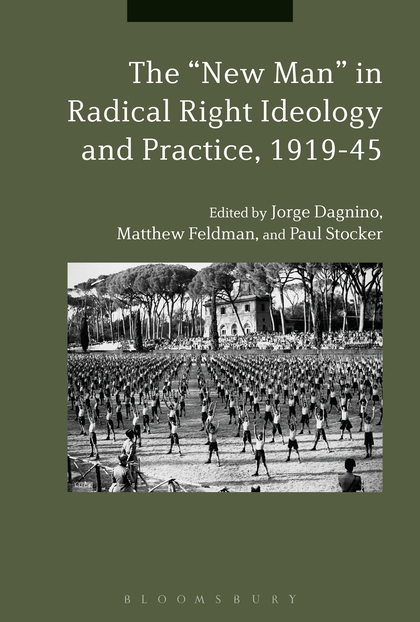 Review of 'The "New Man" in Radical Right Ideology and Practice, 1919-1945'
Review of The “New Man” in Radical Right Ideology and Practice, 1919-1945, ed. Jorge Dagnino, Matthew Feldman, and Paul Stocker (London: Bloomsbury, 2018), published in Reviews in History, review no. 2386, April 2020.
During the interwar period, the figure of the ‘New Man’ constituted a powerful symbol of the promise and potential of a thorough-going political and anthropological revitalisation of society, which could effectively counteract widely-perceived notions of crisis and decline in the aftermath of the Great War.Read more...
On 20 March 2013, Helen gave a talk to GCSE students at Soham Village College, a specialist Technology and Languages College which gained Academy status in 2011.Read more...
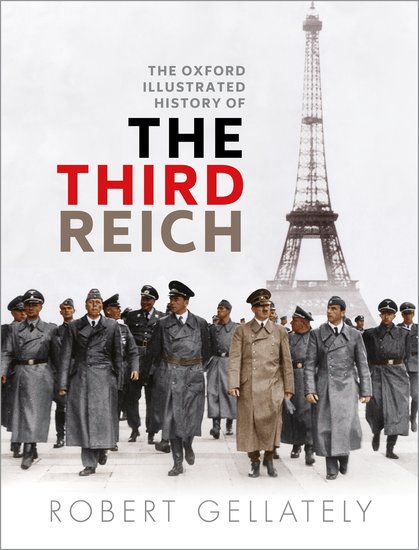 Review of 'The Oxford Illustrated History of the Third Reich'
Review of The Oxford Illustrated History of the Third Reich, ed. Robert Gelatelly (Oxford: Oxford University Press, 2017), published in History: The Journal of the Historical Association 104, Issue 362, October 2019, 783-5.
With the editorship of a new illustrated history of the Third Reich aimed at a popular readership comes both great responsibility and great opportunity – a challenge to which Robert Gellately, one of those historians who has done most to shape the historiography of Nazi Germany recently, has risen with aplomb.Read more...
On 11th November 2011, Helen was interviewed by Dr. Jessica Hughes of Classics Confidential, the Open University’s vodcasting site for Classical ‘news, gossip and curiosities’.Read more...
 Review of Martin Gutmann, 'Building a Nazi Europe'
Review of Building a Nazi Europe: The SS's Germanic Volunteers by Martin Gutmann (Cambridge: Cambridge University Press, 2017), in History: The Journal of the Historical Association 106, Issue 369, December 2020, pp. 143-5.
Martin R. Gutmann’s monograph lucidly demonstrates that nationality need be no bar to conniving in atrocity, or the will to participate in Nazism’s violent and genocidal vision for a new Europe.Read more...
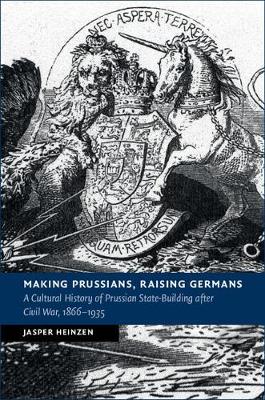 Review of 'Making Prussians, Raising Germans' by Jasper Heinzen
Review of State-Building after Civil War, 1866-1935, by Jasper Heinzen (Cambridge: Cambridge University Press, 2017), in German History 35 (3), September 2018, pp. 454-6.
Jasper Heinzen’s first monograph aims to reframe historical interpretations of ‘1866 and all that’, focusing on the ramifications of civil war within Germany, rather than privileging external conflicts with Italy and Austria. What consequences did enduring tensions between Prussian imperial and provincial particularist ambitions have for Germany's eventual stability?Read more...
On 16 March 2013, Helen presented a paper entitled 'Kadettengeschichten: Exploring the Prussian cadet-school story' at an international conference entitled 'Approaching War (Europe): Childhood, Culture and the First World War, 1880-1919', University of Newcastle.Read more...
Presented at Approaching War (Europe): Childhood, Culture and the First World War, 1880-1919, University of Newcastle, 16-17 March 2013.Read more...
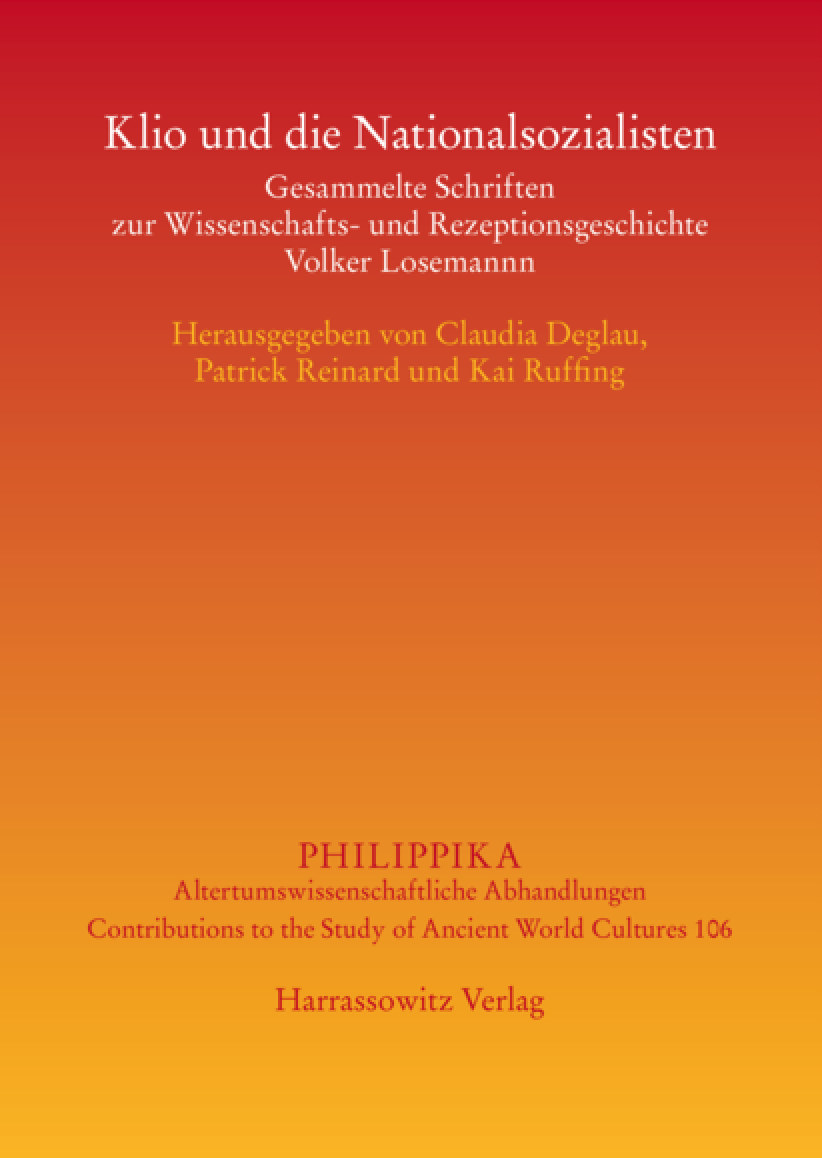 Classics and National Socialism
Review of Klio und die Nationalsozialisten: Gesammelte Schriften zur Wissenschafts und Rezeptionsgeschichte (Wiesbaden: Harassowitz, 2017), published in The Classical Review 69 (2), October 2019, pp. 666-7.
Volker Losemann’s work has rightly been hailed as pioneering in its efforts to bring to light the ideological distortions and academic opportunism to which Classical and ancient historical scholarship were subjected during the Third Reich. Read more...
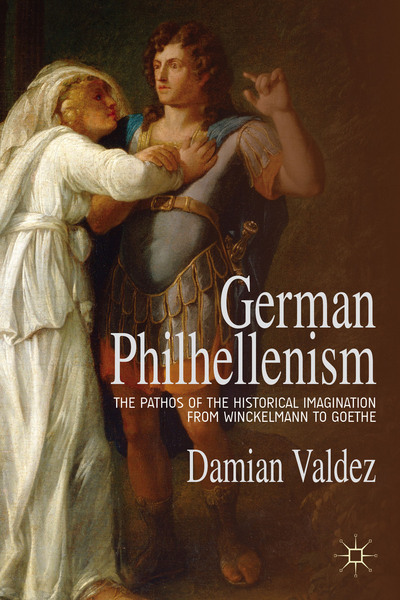 Review of 'German Philhellenism' by Damian Valdez
Review of Damian Valdez, German Philhellenism: The Pathos of the Historical Imagination from Winckelmann to Goethe (Basingstoke: Palgrave Macmillan, 2014), in Journal for Eighteenth-Century Studies 40 (1), March 2017, pp. 138-9.
Damian Valdez’s monograph provides a keen dissection of the clashing currents of idealism and historicism which shaped German thought on ancient Greece during the eighteenth century, placing idealism – and particularly idealists such as Goethe, Herder, Schlegel and Winckelmann – squarely within their respective contexts.Read more...